


In 2000, the atmospheric scientist Paul J. Crutzen coined the term “Anthropocene” to describe the extraordinary impact of a single species—humans—on global ecologies. This course takes up the resulting debates about our relationship to the natural world. For instance, what is the history of “nature” as a concept? Are wild spaces a refuge, threat, or resource for human use? If we see the world through the lens of social and technological progress, what is the role of non-human species? Finally, what future do we imagine (or want to imagine) for our shared planet? Drawing on science journalism, contemporary fiction, eco-poetry, and critical theory, we’ll investigate the scale and implications of the Anthropocene. In doing so, we’ll also consider how language and storytelling in the sciences, humanities, and arts shape our understanding of environmental crisis and adaptation.
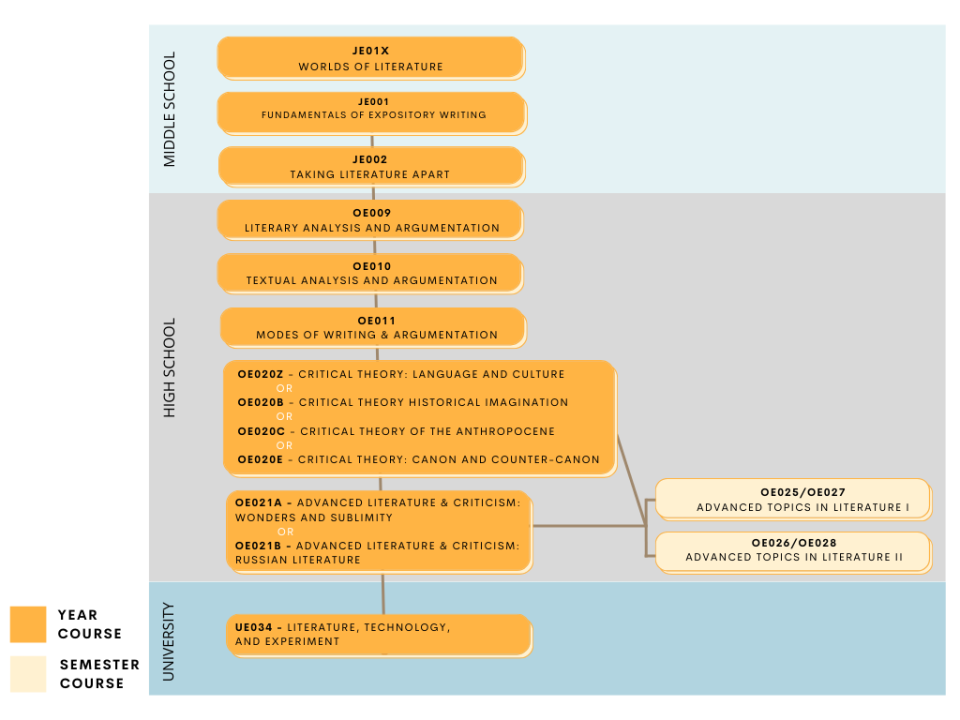
Course Number
OE020C
Level
High School
Semester
Year-long
Credit per Semester
5.00
Subject
Prerequisites
Modes of Writing and Argumentation (OE011) or placement assessment